
Homes with pets are the hardest test for a robot vacuum. There is more hair, more of it every day, the occasional bit of spilled food, and toys or bowls left on the floor. Three things decide whether a robot copes: how it navigates, how it handles hair, and how much maintenance it leaves you.
1. Navigation and coverage
A robot that bumps around at random misses patches and gets stuck. JONR robots such as the X9 Pro use LDS navigation to build a map of the room and clean in ordered, back-and-forth paths. That means full coverage rather than hopeful wandering.
Object detection lets it recognise and steer around cables, pet bowls and toys instead of dragging them across the floor, so you are not rescuing it every few minutes.
2. Handling hair
Hair is what stops most vacuums working. Wrapped around the roller, it lifts the brush off the floor and cuts suction. JONR's anti-tangle brush guides hair into the bin as it turns, so the roller stays clear and effective in a shedding household.
3. Maintenance and the station
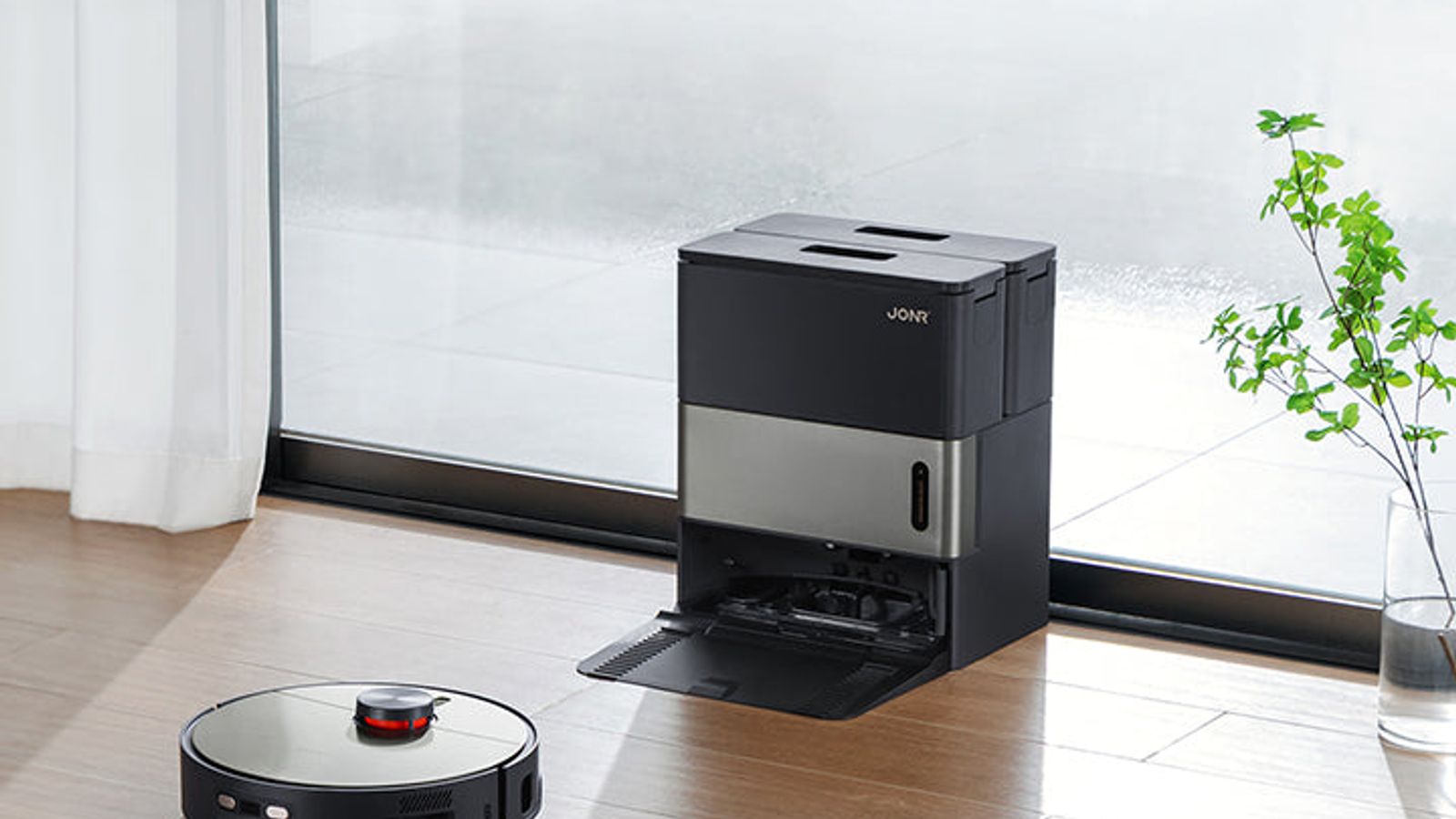
The more the machine looks after itself, the less pet cleaning falls to you. On models with an all-in-one station, the robot empties its own bin and washes and dries its mop, so it can run daily and keep on top of hair without constant attention.
Bringing it together
For a pet home, look for strong navigation, an anti-tangle brush and as much self-maintenance as your budget allows. Those three together are what turn a robot vacuum from a gadget into something that quietly keeps the floors clean.