
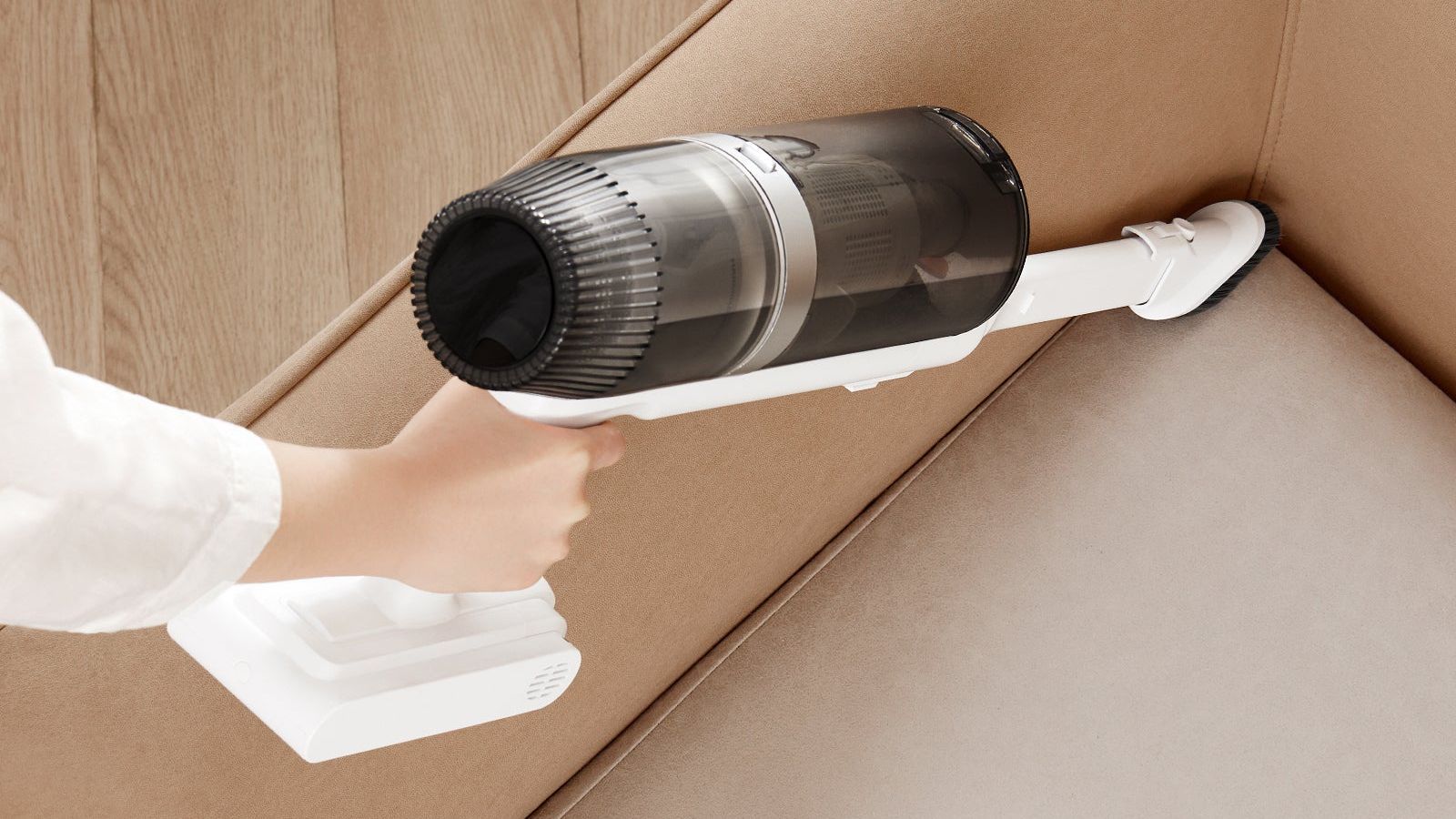
Most people assume dust is a winter problem. Windows shut, heating on, curtains drawn, and the house feels stuffier by the week. The house dust mite tells a different story. Mite numbers build through the warm months and peak in mid to late summer, when indoor humidity is highest. By August the reservoir in a mattress, a sofa or a bedroom carpet is about as large as it gets all year.
That makes the next few weeks a sensible time to reset how the house is cleaned, before the windows close for autumn and everything that has accumulated gets sealed in with you.
Why late summer is the peak
Three conditions have to line up for dust mites to thrive, and a British summer supplies all three at once.
Humidity is the main driver
Dust mites do not drink. They absorb moisture from the air around them, which makes relative humidity the factor that decides whether a population grows or stalls. They do well above roughly 50% and struggle below it. Outdoor humidity in the UK runs high through summer, and every warm shower, load of drying washing and open window carries some of that indoors. Keeping indoor humidity between 45% and 55% is the most effective step available, and a hygrometer costs very little if you want to know where your rooms sit.
The bedroom holds the biggest reservoir
Beds are warm, slightly damp and supplied with a steady source of the shed skin cells that mites feed on. The mattress, the pillows and the carpet around the bed therefore hold far more than the rest of the house put together, so effort spent in the bedroom counts for more than the same effort elsewhere.
The basics that actually work
Before any equipment comes into it, a handful of habits do most of the work.
- Wash bedding weekly at 60°C. Cooler washes remove allergens but do not deal with the mites themselves.
- Ventilate the bedroom every morning. Pulling the duvet back rather than making the bed straight away lets the mattress dry out instead of holding overnight moisture.
- Dry washing outdoors when the weather allows. An indoor airer can add a surprising amount of moisture to a small room.
- Use a dehumidifier in rooms that sit above 55%, particularly bedrooms in flats and older properties.
- Consider barrier covers for mattresses, duvets and pillows if someone in the house reacts to dust.
If dust seems to trigger persistent symptoms for someone at home, it is worth speaking to a GP or pharmacist rather than trying to solve it with cleaning alone.
With dust, filtration matters as much as suction
Vacuuming is where most of the effort goes, and also where the wrong machine works against you. The particles that carry dust mite allergen are very fine. A vacuum with strong suction but a leaky filter will lift them off the carpet and put a good share of them back into the air of the room you are standing in. What comes out of the exhaust matters as much as what goes in at the head.
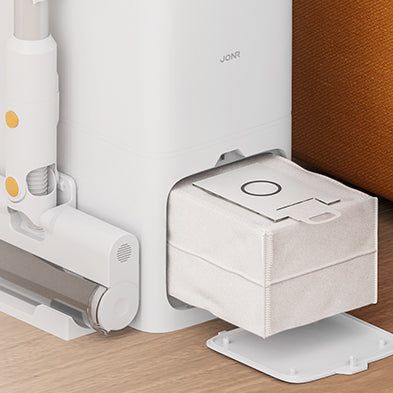
The JONR VC08 Pro is a 2-in-1 cordless stick built around that idea. Its multi-stage filtration uses E12 filters, which JONR states trap 99.5% of fine dust, and a 40,000 rpm motor delivers 13,000 Pa at the head. What it collects goes into a 2.5L dust bag with a 99.7% antibacterial seal, rated to hold up to 70 days of household waste, so emptying does not release a cloud of what you have just picked up. At 2.8 kg with a 35 minute runtime, it is light enough to carry upstairs without planning the trip.
Go after the soft furnishings, not only the floor
This is the part most routines skip. Mites live in the things you sit and sleep on, so a vacuum that only ever meets the carpet is missing the reservoir entirely.
Convert a stick vacuum to handheld and work through the mattress, the sofa cushions and the fabric headboard. The VC08 Pro ships with a 2-in-1 crevice tool and takes an optional mite removal brush, which suits soft furnishings better than a full floor head. Once a fortnight through late summer is a reasonable rhythm, and a whole bedroom takes about ten minutes.
Do not forget the edges. Skirting boards, the carpet under the bed and the gap between mattress and headboard collect more than the open floor, because nothing walks over them to disturb it.
Keep the floors on a daily rhythm
A weekly blitz lets dust settle deep into carpet pile between sessions. A short pass every day keeps it near the surface, where it is easy to lift. That is a tedious job to do by hand and a straightforward one to automate.

The JONR X9 Pro maps the home with LDS navigation and a quad-sensor perception system, then works an ordered route with 20,000 Pa of suction to draw dust and hair out of carpet pile. Its Dual-Comb anti-tangle system keeps hair moving into the bin instead of winding around the roller. The Triple Auto-Lift system detects carpet and raises the roller by 10 mm so rugs and bedroom carpet are cleaned dry rather than dampened, and the station empties the bin at the end of each run. Set it for mid-morning while the house is empty and the daily pass looks after itself.
For a smaller home, the T5 Pro Gen 2 covers the same daily upkeep with LiDAR navigation, 15,000 Pa and a 20 mm mop lift.
On hard floors, damp beats wet
Hard floors hold far less than carpet, but in humid weather the method matters. A traditional mop leaves a film of water that has to evaporate into the room, which pushes indoor humidity the wrong way on a close August evening.
The JONR H2 and H2 Pro wash and vacuum in a single pass at 20,000 Pa, lifting the water back up as they go rather than leaving it on the floor to dry. Both clean their own roller after use, so the machine does not sit damp in a cupboard and turn musty. The H2 Pro adds PTC heated water cleaning and warm air drying, which is the version to choose if you have pets or deal with daily spills.
A late-summer reset, in about twenty minutes
Pulled together, the whole plan is short enough to actually happen.
- Check the humidity in your bedrooms and aim for 45% to 55%.
- Wash all bedding at 60°C, then air the room properly each morning.
- Schedule a robot vacuum to run daily while the house is empty.
- Give mattresses and soft furnishings a handheld pass every couple of weeks.
- Run a wet and dry vacuum over hard floors rather than a wet mop while humidity is high.
- Empty dust bags and rinse filters on schedule, since a clogged filter costs you both suction and filtration.
- Clear any hair wound around brush rollers once a month.
Late summer is the awkward point in the year when the house looks clean and the dust load is quietly at its highest. Getting ahead of it now, before the windows shut and the heating goes on, means starting autumn with far less in the carpets and the mattress. The routine that works is the one that mostly runs without you.